
.png)
Figuring out when to move into inpatient rehab after surgery? It's trickier than you'd think. Some people need to jump straight in, while others do better waiting a few days at home to get stable. There's no universal answer here - it depends on what you've done, how your body's handling it, whether you've got pain under control, and what your doctors are seeing.
Finding the right compassionate rehabilitation center in New York starts with understanding these timing questions and how they fit your specific case. We're going to walk through the biggest factors that determine when inpatient rehab makes sense, from what kind of procedure you had to where you're at with mobility and general health.
Type of Surgery
What they did to you in the operating room matters. A lot. Joint replacements need different rehab than spinal fusions, which are totally different from cardiac procedures. Someone who just got a new hip is going to spend most of their time in physical therapy rebuilding strength and getting that joint moving again. Heart surgery patients? They're doing cardiovascular work to get the heart functioning better and build up endurance.
Even though they did the surgery, it changes things - minimally invasive procedures let you start certain activities faster than the old-school large-incision approach. Your rehab team needs to know exactly what happened to your body so they can build a program that actually matches what you need, not just throw some generic exercises at you.
Recovery Progress
Your healing trajectory tells the story of when you're ready. Every surgery has benchmarks you're supposed to hit along the way. Meeting them (or not) is a big signal. Your medical team's watching how symptoms are playing out, checking range of motion, and seeing if you can do basic functional stuff. They're not just eyeballing it either - they run actual tests. Strength assessments, mobility checks, that kind of thing.
Hard numbers matter because they show what's really happening versus what you feel like is happening. If something's off track, they catch it and tweak the plan. Communication between your surgeon, the rehab people, and you keeps everyone on the same page about what's going on and where you need to be.
Pain Management
Pain control isn't a nice-to-have - it's make-or-break for recovery. You can't do therapy if you're hurting too much to move. Simple as that. There's a whole toolkit available: meds like painkillers and nerve blocks, plus stuff that doesn't involve drugs like specific PT techniques, relaxation work, and acupuncture. What works for someone else might not work for you, so it needs to be customized.
Then you've got to keep tabs on whether it's actually helping. Bad pain management doesn't just suck in the moment - it actively slows down your progress, raises your risk of complications, and makes it basically impossible to stay engaged when you're supposed to be working. Getting this right early saves you a ton of grief later.
Mobility and Strength
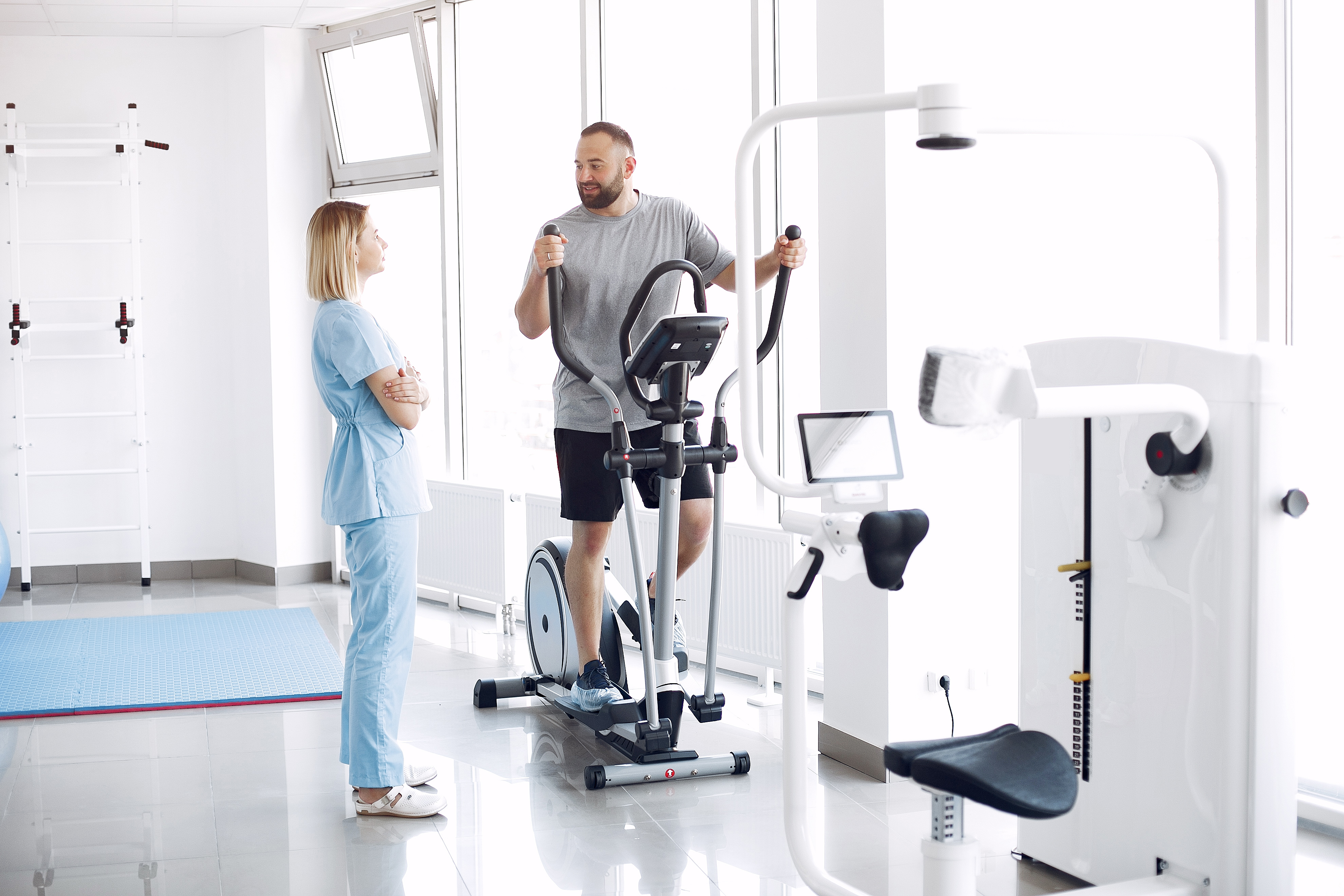
This is where the real work happens. Getting you moving again and building back strength. Start with gentle stuff as soon as you get the green light - even small movements prevent your muscles from wasting away. Then you ramp up gradually under supervision so you're not pushing too hard too fast. Food matters more than most people think. You need protein and vitamins to actually rebuild muscle and keep everything running.
But you also can't skip rest - your body does a lot of repair work while you're sleeping or just chilling between sessions. And drink water. Sounds basic, but dehydration slows healing. It's juggling all these pieces at once - movement, food, rest, hydration - that gets you back to functional.
Medical Team Recommendations
Listen to your doctors. Seriously. Not your friend who had surgery five years ago, not some forum you found online. Your actual medical team, who knows your case. They'll give you the specifics: when to take meds, when to show up for PT, when you need follow-ups, and what you can and can't do activity-wise. This stuff is based on real research about your exact situation and what you have done.
Following their plan isn't just about being a good patient - it's about giving yourself the best odds of healing right and avoiding new problems. They've got the training, and they've seen your scans and charts. Trust that.
Overall Health Status
How healthy you are when you go in affects how well rehab goes. Pretty straightforward. If your body's in decent shape overall, it's got more to work with when it's trying to heal and handle rehab demands. Eating right becomes huge - that's what fuels tissue repair and gives you energy to actually do the work in therapy.
Stay as active as you can within whatever limits you've got. If you're dealing with diabetes, heart stuff, or other ongoing conditions, keep those managed tightly so they don't create additional issues. Sleep enough - that's when your body does serious repair work.
Deal with stress however you can, whether that's meditation, breathing stuff, or talking to someone. All these things being in reasonably good shape make your post-surgery outcomes way better than if you're running on empty.
Related Topics:
.png)
.png)
.png)
.png)
.png)
.png)
.png)
.png)


