
.png)
Acute inpatient rehab is a type of care meant for people who need close medical attention while working on physical recovery. It often follows a major health event such as surgery, injury, or illness. Although it serves a different purpose than a monitored detox program, both focus on safety, supervision, and structured support. This kind of rehab places patients in a medical setting where therapy and care happen throughout the day, not just during short appointments.
Definition of Acute Inpatient Rehab
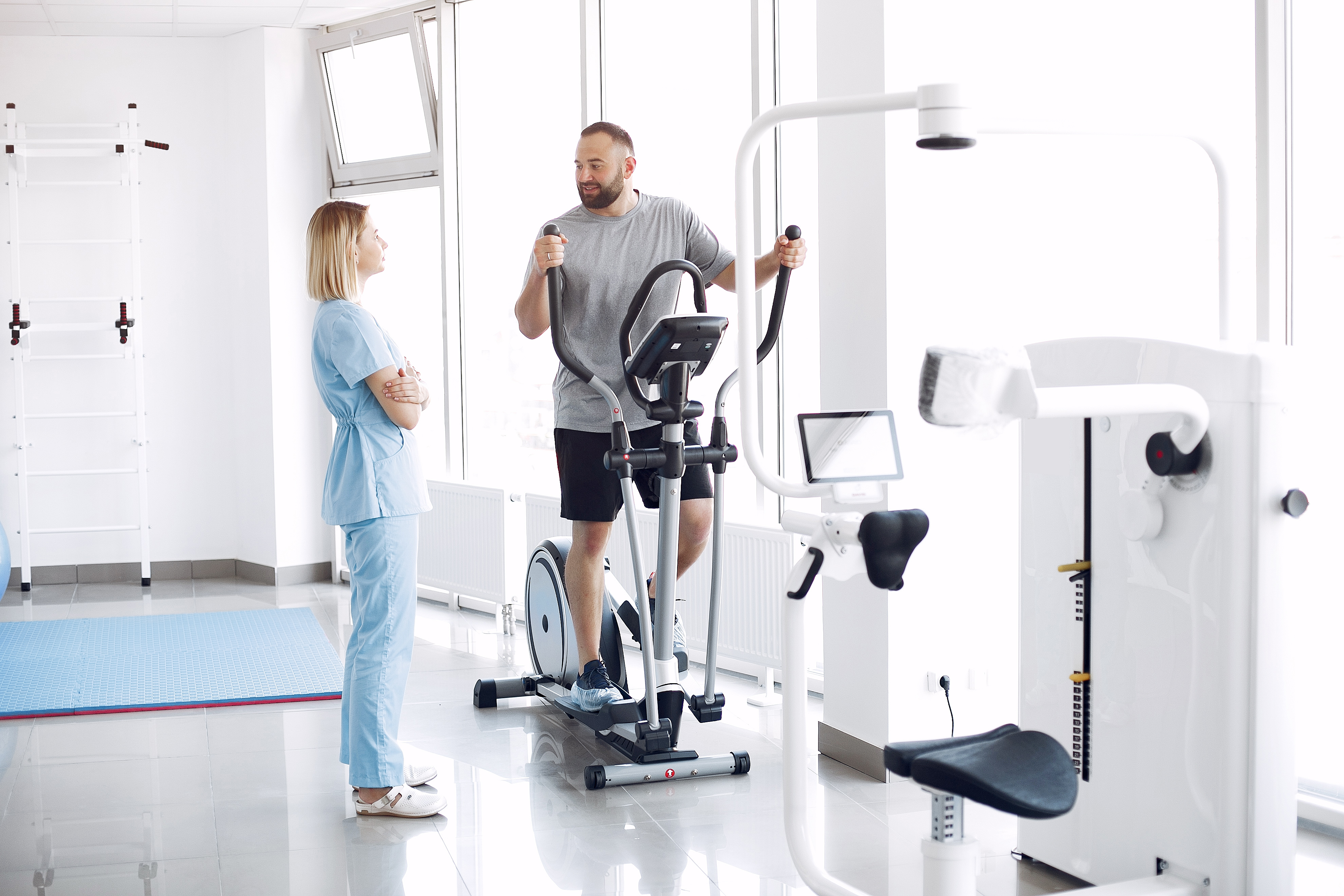
Acute inpatient rehab takes place in a hospital or specialized facility where patients stay full-time. Care is designed for people who are medically stable but still need daily therapy and nursing oversight. Treatment focuses on practical recovery, such as walking safely, managing pain, improving coordination, or relearning everyday tasks. Because patients remain on-site, providers can respond quickly to changes in condition and adjust care as needed.
Admission Process and Evaluation Criteria
Before admission, medical staff review the patient’s condition in detail. This includes physical ability, mental awareness, medical history, and the ability to participate in therapy for several hours a day. The goal is to confirm that inpatient rehab is the right level of care at that moment. This review helps avoid unnecessary strain and ensures the patient can benefit from the pace of treatment offered in this setting.
Multidisciplinary Treatment Team
Care is delivered by a group of professionals who communicate regularly about patient progress. Physicians manage medical needs and recovery planning. Therapists focus on movement, daily activities, and communication skills when needed. Nurses provide continuous support, medication oversight, and monitoring. Emotional support is also part of care, since recovery often affects mental well-being along with physical health. This shared approach keeps treatment consistent from day to day.
Therapeutic Interventions and Modalities
Therapy sessions are practical and goal-driven. Patients work on strength, balance, coordination, and daily routines that may have become difficult. Some sessions focus on physical movement, while others address fine motor skills or speech and memory concerns. Pain control and comfort are addressed throughout the process so patients can participate without unnecessary discomfort. Therapy plans change as progress is made, rather than following a fixed routine.
Goals of Acute Inpatient Rehab
The main aim of acute inpatient rehab is to help patients regain independence safely. This includes improving mobility, reducing reliance on assistance, and building confidence in daily tasks. Recovery is not only physical. Emotional adjustment is part of the process, especially after sudden health changes. Progress is measured by how well patients can function in real-world situations, not just clinical milestones.
Discharge Planning and Aftercare
Planning for discharge starts early, not at the end of the stay. The care team works with patients and families to determine what support will be needed next. This may involve continued therapy, medical follow-ups, or home adjustments. Clear guidance helps patients leave rehab with realistic expectations and a plan they can follow. Ongoing care helps protect the progress made during inpatient treatment.
Related Topics:
.png)
.png)
.png)
.png)
.png)
.png)
.png)
.png)


