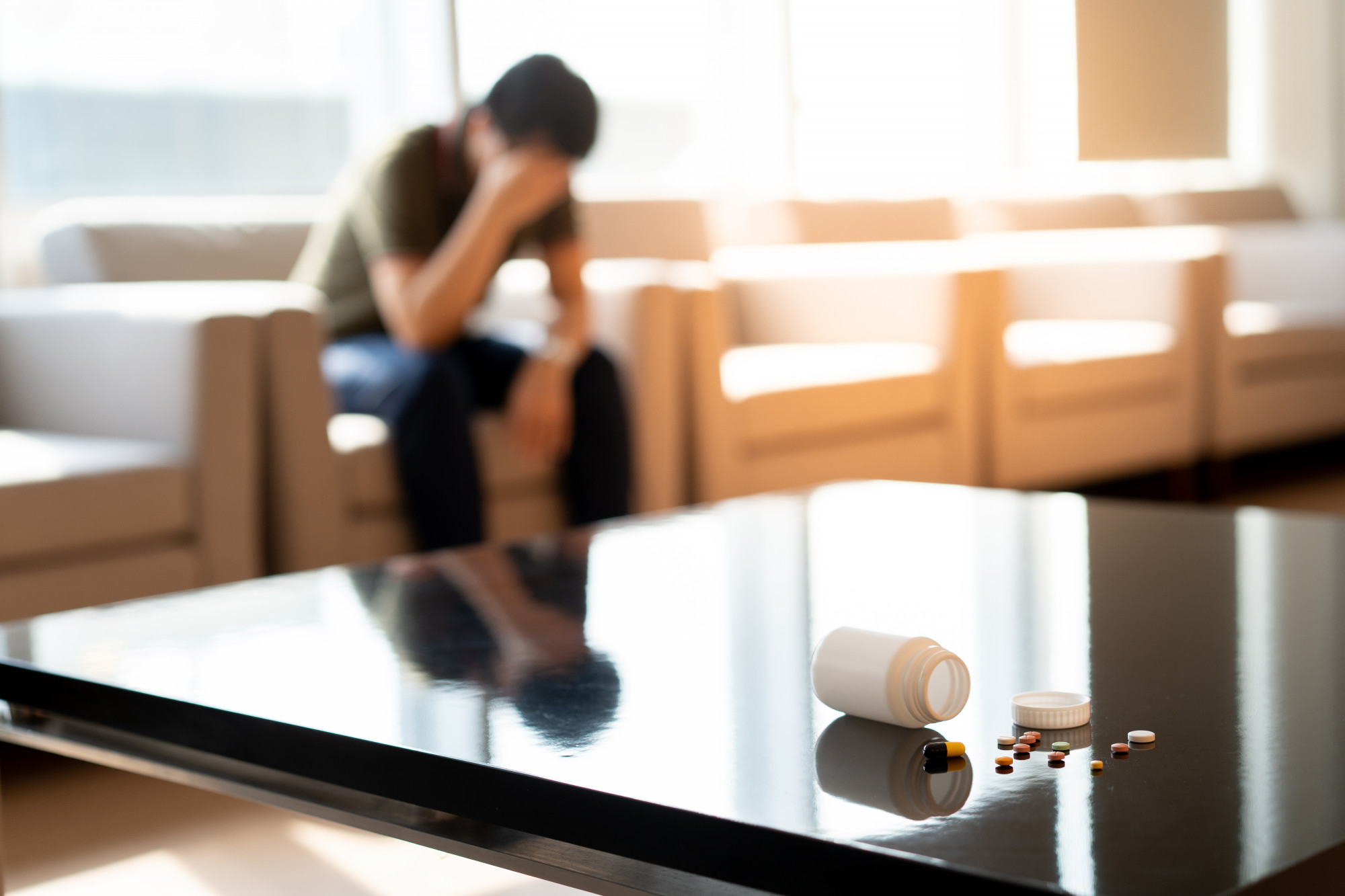
Stopping alcohol every day changes your body and mind in ways you might not expect. At first, there are tremors, sweating, sometimes nausea, and mood swings, anxiety, irritability, and that kind of thing. Sleep can start to get a little better, though, which feels like a relief. People often notice energy creeping back, little by little, and for some, checking into Brooklyn’s top alcohol rehab facility helps make all this less overwhelming.
Social habits shift, too. You might skip certain events or start hanging out with different people. It’s awkward at first, but over time, it can actually improve your relationships. And those small changes add up, shaping a life without alcohol.
Physical Withdrawal Symptoms
Your body notices immediately when alcohol stops. Tremors, sweating, nausea, and a faster heartbeat, some of it can feel intense. How bad it gets depends on your drinking habits and your own metabolism.
Getting professional help makes a difference. Doctors or nurses can monitor you and sometimes give meds to ease symptoms. Even small things, like feeling steadier or less nauseous, feel like wins.
Symptoms can be unpredictable, too. One moment you’re jittery, the next exhausted. It’s a lot to process, but each day usually gets a bit easier.
Mental Health Challenges
Stopping alcohol can shake your emotions and thinking. Anxiety, irritability, and low mood are common, and your brain has to figure out how to work without alcohol. It’s normal for concentration or memory to be off for a bit.
Therapy or counseling can help you manage this. Just knowing it’s temporary helps. Over time, thinking gets clearer, decisions feel easier, and moods settle.
It’s slow work, but noticing even small mental improvements is encouraging. You start trusting yourself again. That can make a huge difference in sticking with sobriety.
Improved Sleep Patterns
Alcohol messes with sleep, so quitting usually helps. Nights feel less fragmented, and restorative sleep returns. You wake up feeling more alert, not foggy.
It may take a few nights to notice, but sleep gets more consistent. Better sleep helps mood, memory, and energy, almost like a ripple effect. Creating steady bedtime habits supports the body’s recovery even more.
As your sleep stabilizes, daily focus improves. You feel less cranky and more capable of handling stress. Energy slowly builds alongside better rest.
Enhanced Energy Levels
Without alcohol dragging you down, energy often comes back fast. Better sleep, more hydration, and less strain on the liver all help. People feel sharper and more motivated to do more.
Fatigue fades, making chores, work, or exercise easier. Even small boosts feel noticeable. Over time, this encourages healthier habits overall.
Increased energy feeds itself. Moving more lifts mood, and feeling better encourages even more activity. It becomes a positive loop.
Social Life Adjustments
Your social life changes naturally. Some events feel less appealing; some friends may not get it. Seeking new circles or activities that don’t revolve around drinking becomes appealing.
Talking to friends and family about boundaries helps. These changes support staying sober and often strengthen connections. You start building routines that actually feel rewarding.
It’s uncomfortable at first, yes, but eventually, it feels right. You notice more meaningful interactions. And that makes sobriety easier to maintain.
Long-Term Health Benefits
Quitting alcohol improves health in significant ways. The liver starts repairing itself, the risks of liver disease drop, and your heart feels the difference. Mental clarity increases, focus sharpens, and memory gets better.
Weight management becomes easier, too. Alcohol calories disappear, and overall energy supports more activity. Mood and vitality improve steadily, day by day.
All these changes add up over time. Small wins snowball into a healthier lifestyle. That combination makes sticking with sobriety feel worthwhile.
Related Topics:
- What to Expect After Detox and the First Days of Sobriety
- What Is the Alcohol Detox Process in Inpatient Treatment