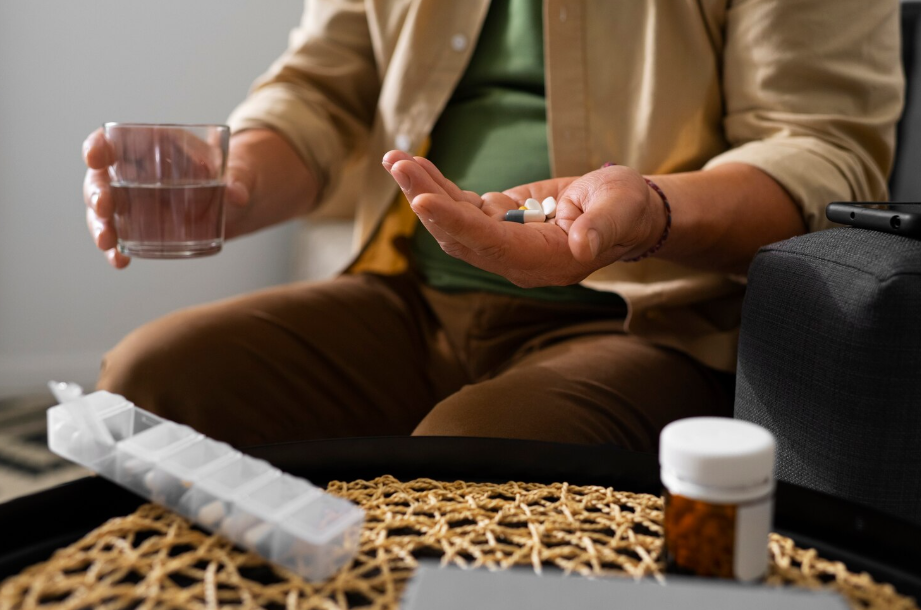
So, if you’re thinking about medication-assisted drug detox, there are a few options that people usually hear about: Methadone Detox, Suboxone Treatment, Naltrexone Therapy, Buprenorphine Protocol, Acamprosate Regimen, and Disulfiram Intervention. They all kind of work differently, but the idea is the same: help you deal with cravings and make withdrawal a bit more manageable. Talking with a doctor can help you figure out a plan that fits your situation, which is why a structured drug detox is really helpful. Honestly, having a plan in place can make things feel a bit less overwhelming when you’re starting out.
The main goal here is to get some relief while your body adjusts, but also to make sure you’re not just coping; you’re actually setting yourself up for recovery. Everyone’s experience is different, so the approach really depends on what you’re dealing with and how your body responds.
Methadone Detox
Methadone has been around for a while, and a lot of people have used it to handle opioid withdrawal. It’s long-acting, so it keeps cravings down and helps with those gnawing withdrawal symptoms. You’ll probably notice it’s easier to focus on recovery when the cravings aren’t hitting you all the time. That said, it can be habit-forming if not taken carefully, so doctors watch this closely.
Some folks worry about the risks, but if it’s done right, methadone detox can really make the whole process smoother. I’ve seen people manage it safely with good monitoring and a plan that fits their needs. It’s not magic, but it works if you stick to the program.
Suboxone Treatment
Suboxone is interesting because it mixes buprenorphine with naloxone. That combo helps reduce cravings and withdrawal without giving you the high you’d get from other opioids. Usually, it comes as a film or tablet that you put under your tongue, which is easy to take and discreet too. Following the doctor’s plan is important here because taking it haphazardly can mess with results.
People who haven’t had luck with other detox methods sometimes do better on Suboxone. It’s not perfect, but it gives your body and mind a chance to adjust while keeping cravings in check. Honestly, having something that actually works without making you feel high is a big deal.
Naltrexone Therapy
Naltrexone works differently because it blocks opioid receptors. That means if you try to use it again, it won’t feel the same, which can prevent relapse. Some take it as a daily pill, others as a monthly shot; it’s flexible.
One thing to know is that you need to be opioid-free for a while before starting; otherwise, it can trigger withdrawal. But if you time it right, Naltrexone can really help people stay sober. It’s not a quick fix, but it’s another tool in the toolbox.
Buprenorphine Protocol
The Buprenorphine Protocol is kind of like a gentle bridge; you’re still using a partial opioid agonist, but it eases withdrawal without giving the full high. You can get it in different forms, like sublingual tablets or films, depending on what works best.
I’ve noticed it really helps people stick with detox because cravings are lower, and it doesn’t mess with daily life too much. Using it as part of a detailed detox plan can make a big difference in whether someone actually completes the program.
Acamprosate Regimen
Acamprosate is more for alcohol detox, but it works by helping your brain chemistry balance out after drinking. It can reduce cravings and make withdrawal less intense. Most people take it consistently along with counseling or other support, kind of like a tag team.
I’ve seen it work best when people actually follow the regimen and don’t skip doses. It’s not a cure by itself, but it makes staying sober more manageable. Little things like this can make a big difference.
Disulfiram Intervention
Disulfiram is a bit different because it makes you feel sick if you drink alcohol. Yeah, nausea, flushing, palpitations, the whole deal. That shock factor can stop you from drinking, but you need to really want to quit for it to work.
Doctors usually keep a close eye on the start to make sure you’re following the plan safely. On its own, it doesn’t fix addiction, but combined with counseling and support, it can be effective. People who stick with it often find it’s a solid deterrent to relapse.
Related Topics: