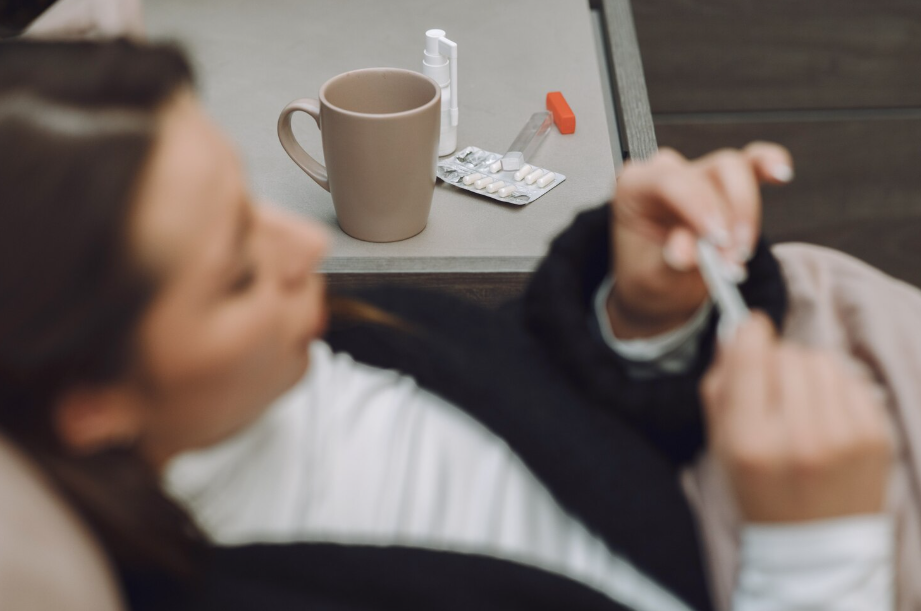
Sometimes you think, "Maybe I can handle this at home", but the withdrawal hits, and it's way worse than you expected. That's usually when a medical drug detox makes a lot of sense. They can give you medication if your body freaks out, watch your vitals, and be around all the time if something goes wrong. Places like Brooklyn's trusted drug detox center know exactly how messy things can get, so you're not left trying to figure it out alone.
Even if home detox works for a few people, it can be unpredictable. Some days you feel okay, then a wave of nausea or anxiety hits, and suddenly you're thinking, "Maybe I do need help." Recognizing that and reaching out isn't weak; it's practical. Detox is more than just surviving the first few days; it's about setting yourself up, actually, to stay clean.
Physical Withdrawal Symptoms
Withdrawal hits the body hard. Sweats, shakes, headaches, nausea, you name it. In a medical detox, professionals can step in if symptoms spike, giving medications or just watching closely so nothing dangerous happens.
At home, if symptoms get worse than expected, you're on your own. That's why knowing your limits matters. Having someone experienced around makes the whole process feel less scary, and you can focus on healing instead of panicking.
Mental Health Concerns
Your mind goes through a lot during detox. Anxiety, depression, or mood swings can show up without warning. In a medical detox, you've got therapists or counselors on hand to talk through it instead of bottling it up.
Even at home, having a friend or family member check in helps. Mental and physical withdrawal are tangled together; you can't really fix one without the other. A bit of support can make a world of difference.
History of Relapse
If you've tried to quit before and relapsed, that's a big red flag. It's worth thinking about why it happened: stress, certain people, old routines, and planning around it. Knowing your triggers and having coping tools ready makes it less likely to happen again.
Building a support system matters a lot here. Friends, family, or even online support groups can keep you accountable. You're basically stacking the odds in your favor. Each time you catch yourself before a relapse, that's progress.
Presence of Co-occurring Disorders
Sometimes addiction doesn't come alone. Mental health conditions like depression, anxiety, or PTSD can happen alongside substance use. Handling both at the same time is tough and often requires professional help.
Medical detox centers are set up for this. They can offer integrated care for both your substance use and mental health needs. That way, nothing gets ignored, and you have a better shot at long-term recovery.
Need for 24/7 Supervision
Some people need constant supervision. Detox can be unpredictable, and having professionals around means someone can step in if something goes wrong.
It's not just for emergencies either. Just having someone there provides emotional support and keeps you on track. A structured, monitored environment reduces temptation and makes the whole process smoother.
Lack of Support System
Going through detox alone is really hard. You need people who can encourage you, hold you accountable, and help you manage cravings or emotional ups and downs.
Without support, it can feel isolating and overwhelming. A strong support system, friends, family, or groups, makes detox more manageable and gives you a safety net when things get rough.
Contact Us
Urban Recovery is CARF-accredited, dual OASAS-licensed, and SAMHSA-certified. Call our 24/7 admissions line at (646) 347-1892 if you're unsure which level of care fits your situation.
Related Topics: