.jpg)
Detox and rehab are two distinct phases of addiction treatment. They address different problems, involve different clinical processes, and serve different purposes in recovery. Confusing the two, or believing that completing one means you have completed treatment, is one of the most common reasons people leave treatment too early. This page explains what each phase involves, why both are necessary, and how they connect at our quality detox center in Brooklyn.
What Detox Is and What It Does
Detox, short for detoxification, is the process of clearing substances from the body. Medical detox means this process happens under 24-hour clinical supervision, with medications administered as needed to manage withdrawal symptoms safely.
Withdrawal refers to the physical and psychological symptoms that occur when a person who is dependent on a substance reduces or stops use. Withdrawal varies significantly depending on the substance. Alcohol and benzodiazepine withdrawal can be life-threatening, causing seizures and, in severe cases, a condition called delirium tremens (DTs). Opioid withdrawal is rarely fatal but causes intense physical distress, including severe muscle aches, nausea, insomnia, and anxiety, that drives most early relapse attempts.
Medical detox addresses physical dependence. It does not treat the behavioral, psychological, or social factors that drive substance use. A person who completes detox without entering a rehabilitation program has a very high rate of relapse.
What Rehab Is and What It Does
Inpatient rehabilitation, also called residential treatment, is the structured treatment program that follows detox. The person lives at the facility and participates in intensive daily programming that addresses the psychological and behavioral dimensions of addiction.
At our Brooklyn facility, the residential program runs 21 to 28 days and delivers 35 hours of structured treatment per week. That includes group counseling seven days a week, at least one individual counseling session per week, and evidence-based therapies including Cognitive Behavioral Therapy (CBT) and Dialectical Behavior Therapy (DBT).
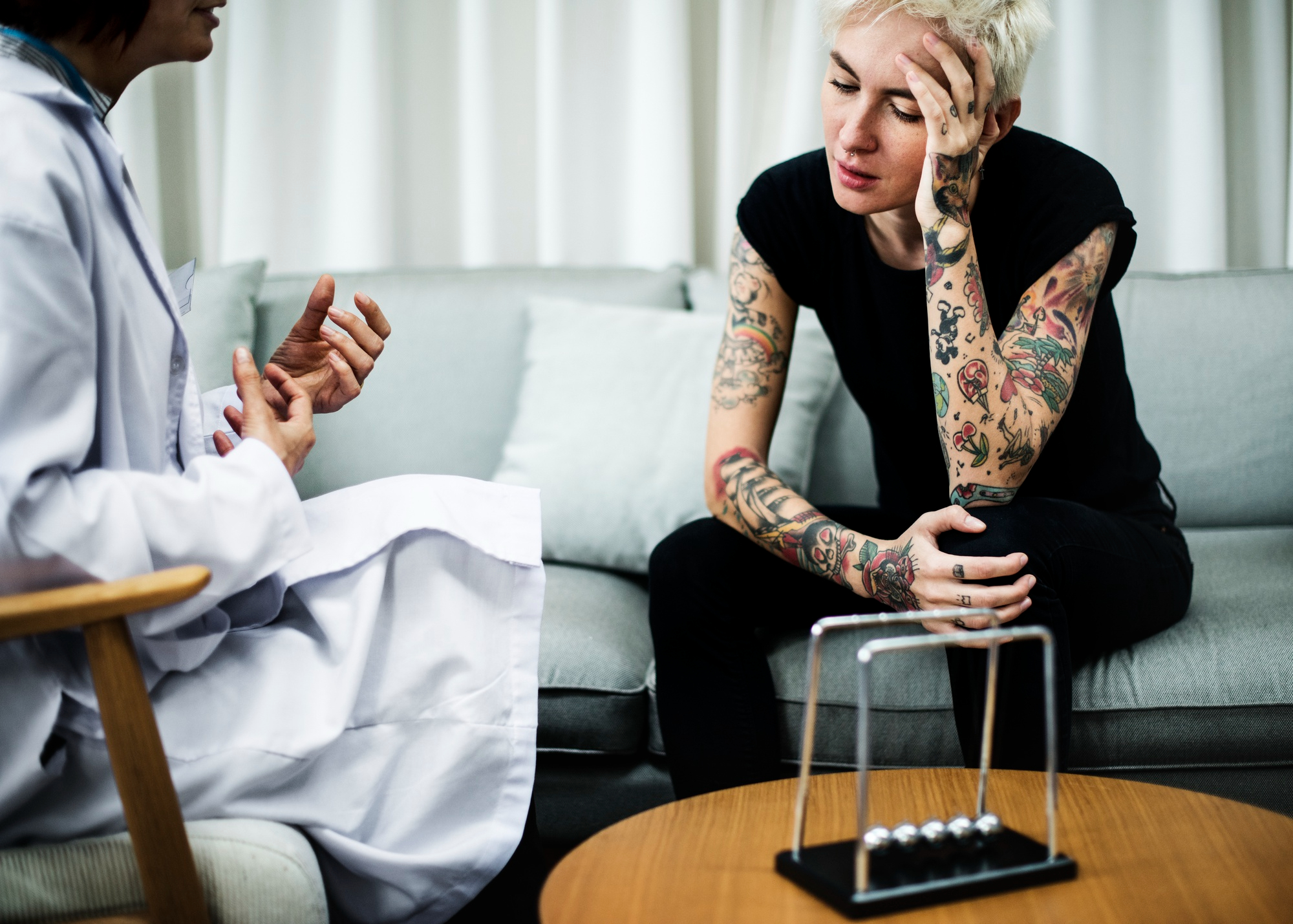
Every patient also receives a psychiatric evaluation within 24 hours of admission. Dual diagnosis, meaning the presence of both a substance use disorder (SUD) and a co-occurring mental health condition such as depression, anxiety, or PTSD, is identified and treated alongside the addiction from the start. Medication-Assisted Treatment (MAT), which combines FDA-approved medications with counseling to reduce cravings and support recovery, is available on-site when clinically appropriate.
Why Both Phases Are Necessary
Detox without rehab leaves the underlying drivers of addiction untreated. A person who has physically cleared substances from their body has not yet addressed why they were using, what triggers their use, or what skills they need to manage cravings and stress without substances. Without that work, returning to use is the most likely outcome.
Rehab without medically supervised detox is medically unsafe for anyone dependent on alcohol, benzodiazepines, or opioids. These withdrawals require clinical management. Starting a rehabilitation program while still in active physical withdrawal is not clinically appropriate and, in the case of alcohol and benzo withdrawal, can be dangerous.
The two phases work together. Detox prepares the body for treatment. Rehab does the treatment.
How the Two Phases Connect at Our Facility
We hold two separate OASAS licenses: one for medically supervised withdrawal management and one for inpatient rehabilitation. OASAS is the New York State Office of Addiction Services and Supports, the licensing body for all addiction treatment programs in New York. CARF, the Commission on Accreditation of Rehabilitation Facilities, has independently accredited our full program.
Holding both licenses means patients move directly from medically supervised detox into our residential rehabilitation program without transferring to a different facility. That continuity matters most during the transition from detox to rehab, which is one of the highest-risk windows for early relapse.
What to Expect on Arrival
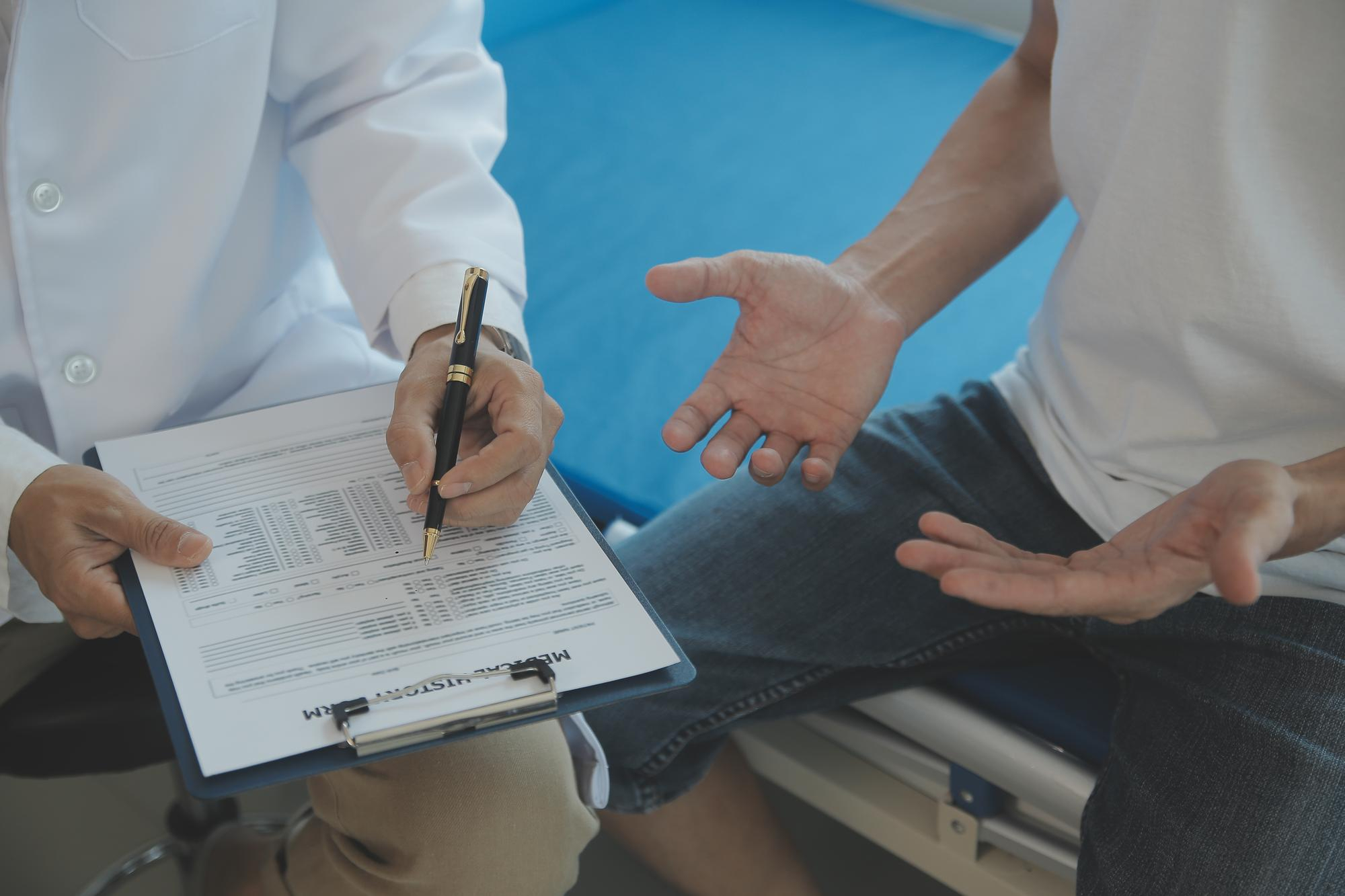
When you arrive, an intake coordinator walks you through admissions paperwork. A nurse takes your vitals, reviews your medical history, and collects a urine sample to identify substances in your system. A psychiatric evaluation is completed within 24 hours. Based on your medical status, you are placed in medically supervised detox or begin the residential program directly.
Same-day admissions are available when a bed is open. We accept most major commercial insurance plans and most Medicaid plans. A full-time insurance coordinator handles verification and prior authorization.
Frequently Asked Questions
Do I need to go through detox before starting rehab? If you are dependent on alcohol, benzodiazepines, or opioids, medically supervised detox is required before residential rehabilitation begins. Withdrawal from these substances requires medical management to be safe. If your substance use does not involve physical dependence requiring medical detox, you may be able to move directly into the rehab program. The clinical team at admission makes this determination.
What is the difference between detox and inpatient rehab? Detox is the medical process of safely clearing substances from the body under clinical supervision. Inpatient rehab is the structured treatment program that follows, addressing the psychological, behavioral, and social factors driving addiction. Both are necessary for lasting recovery. We provide both at our Brooklyn facility so there is no gap between the two phases.
Can someone relapse during detox? Yes. The discomfort of withdrawal is a major driver of early relapse, particularly for people withdrawing from opioids. Medical supervision during detox significantly reduces this risk by managing withdrawal symptoms with appropriate medications and providing round-the-clock clinical monitoring.
If you are ready to take the next step or want to understand the admissions process before committing, call us at (646) 347-1892 or email admissions@urbanrecovery.com. You can also review what to expect when you start the admissions process.
Contact Us
At Urban Recovery, we are committed to supporting individuals on their recovery journeys. Whether you're seeking information about our programs or ready to begin the admissions process, our team is here to assist you.
Facility Address: 411 Van Brunt Street, Brooklyn, NY 11231
Phone Numbers:
- Intake Line: (646) 347-1892
- Facility Line: (646) 960-6656
Email: admissions@urbanrecovery.com
Hours of Operation: Sunday - Monday: 24 hours
For general inquiries or to request more information, please use our online contact form.
Resources:
Related Topics: