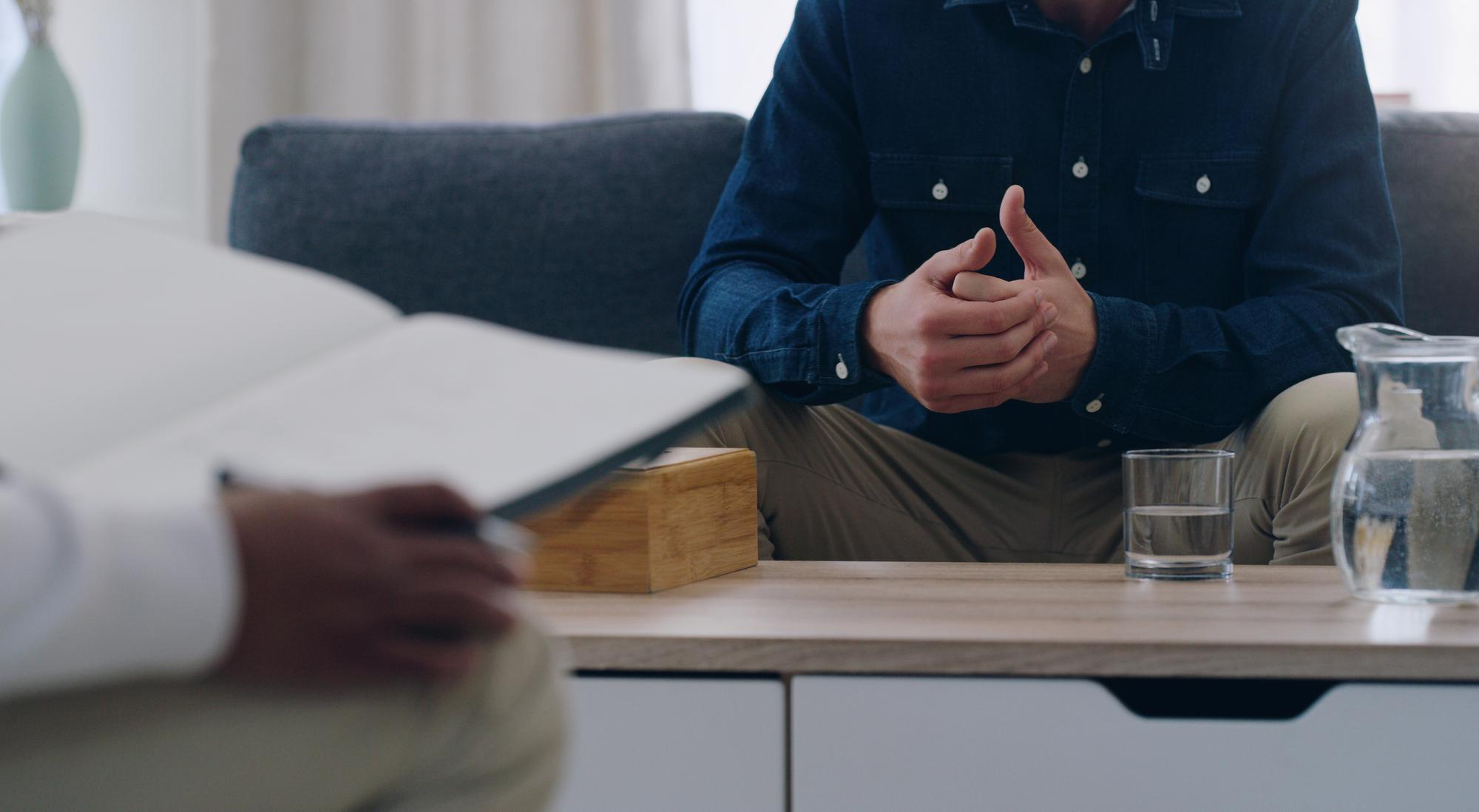
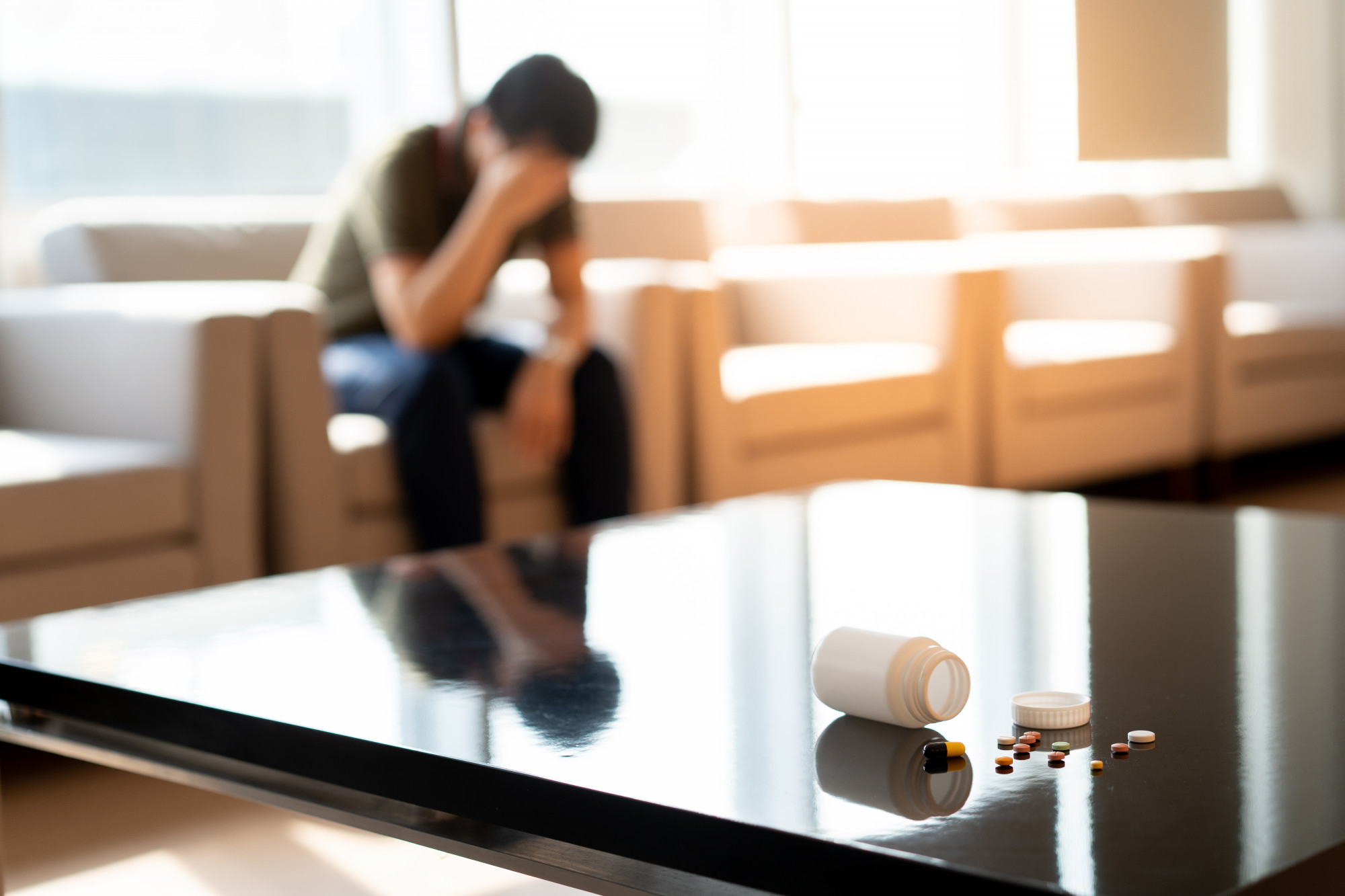
You've decided to detox from opioids at home. It's a tough choice, but one that gives you privacy in your own space. Just know this—before you start, talk to someone at a recovery facility in Brooklyn. They've helped people like you before. Home detox has its good points, but it comes with real risks too. You'll need to be careful and have people you trust around you. Your safety matters most during this whole process.
Risks of DIY Opioid Detox
Going cold turkey at home without medical help is dangerous. The withdrawal hits hard—you might shake, sweat, vomit, or worse. Some people end up severely dehydrated, have heart issues, or even seizures when trying to tough it out alone. This isn't just about willpower.
Your body is going through significant changes that doctors understand better than you do. Medical pros can give you meds to take the edge off and watch for warning signs. Your life matters—get professional help instead of risking a DIY approach.
Benefits of Home Detox
Detoxing at home does have some perks. You can stay in your pajamas, sleep in your own bed, and keep your business private. You call the shots on your recovery plan instead of following someone else's rules. Being surrounded by your own stuff can help you feel less anxious. You won't have to take time off work or explain where you're going. Plus, having your family or friends right there when things get rough beats talking to strangers in a facility.
Precautions for Safe Detox
If you're set on home detox, protect yourself. First, talk to a doctor—make sure your health can handle it. Drink water constantly—more than you think you need. Eat real food even when you don't feel like it—your body needs the fuel. Write down how you're feeling each day so you can spot patterns.
Clean your place up and remove anything that reminds you of using. Set up a simple daily routine with some light exercise and quiet time. Your body and mind are going through hell—treat them gently.
Support System Importance
You can't do this alone. Period. You need people who have your back—friends, family, or others who've been through this. Tell them precisely what you're doing and what help you need. Sometimes you'll need someone to just sit with you through the night. Other times you'll need them to remind you why you started this in the first place. Their presence keeps you honest and gives you strength when yours runs out. Let them in—tell them what's working and what isn't. They're your lifeline during the worst of it.
Post-Detox Recovery Strategies
Once the worst is over, you need a plan for each day. Structure keeps you from drifting back to old habits. Move your body—even a short walk helps rebuild your strength. Learn to sit quietly with your thoughts through meditation or just deep breathing when cravings hit. Keep talking to people who support your clean life. Set tiny goals at first—celebrate making it through a day, then a week. Recovery isn't a straight line. Some days will be more complex than others. Put yourself first for once—your health depends on it.
Want help? Pick up the phone. Addiction specialists have guided countless people through what you're facing right now. Your future self will thank you for reaching out today. Talk to a recovery expert about what detox could look like for you—with the proper support, you can do this.
Other Related Posts: