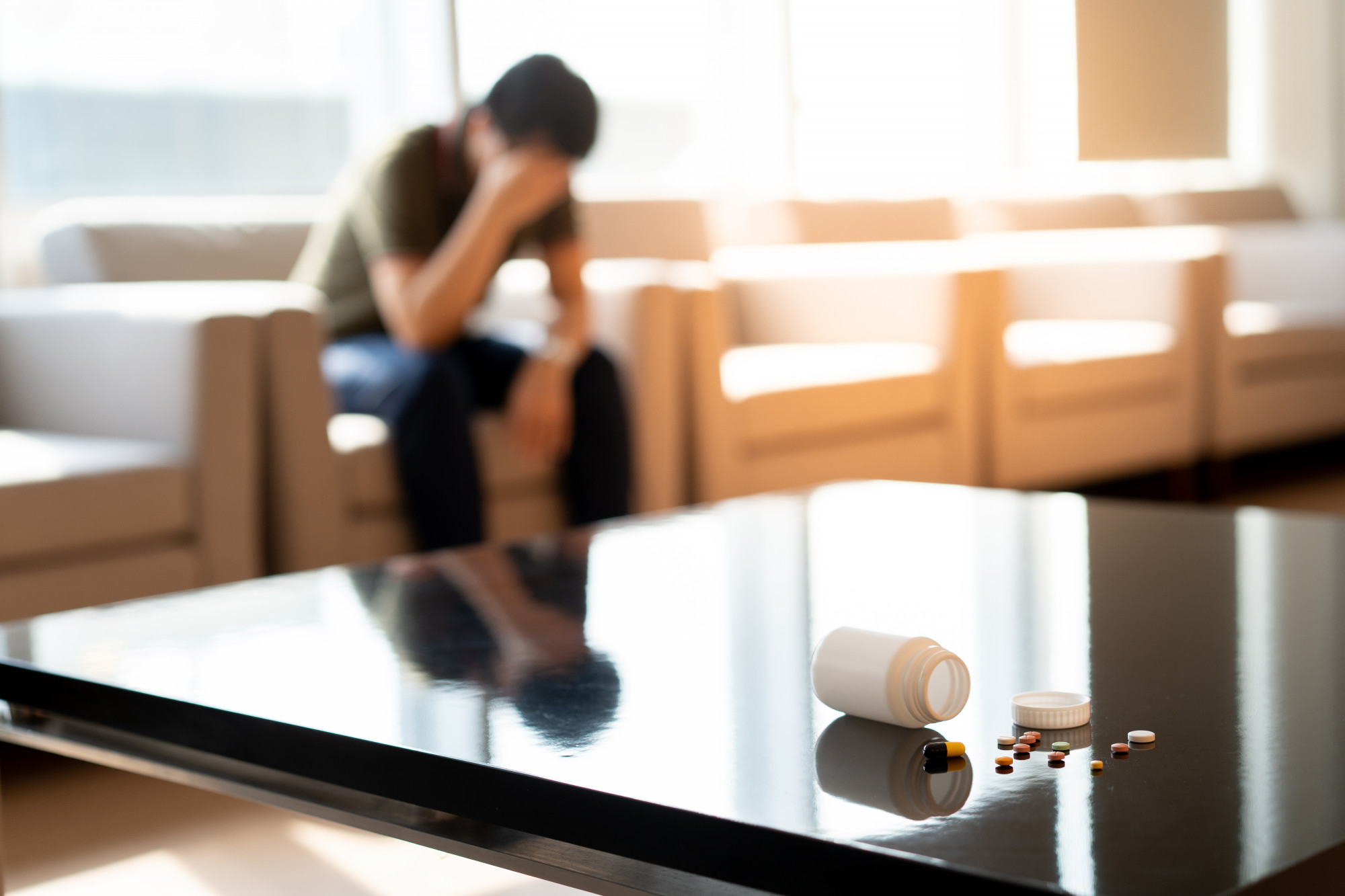
Compulsive porn use rarely looks dramatic from the outside. It looks like someone who keeps going back after deciding to stop, who loses hours they meant to spend asleep, and who starts steering around a partner instead of toward one.
Urban Recovery runs an inpatient rehabilitation center in New York, licensed by OASAS for both medically supervised withdrawal and inpatient rehabilitation at our Brooklyn, New York address, and compulsive sexual behavior often turns up alongside the substance use and mental health conditions we treat.
Our clinicians ask about it during intake for that reason, not as a side note. The signs below are the ones they listen for, and they are worth knowing whether you are asking about yourself or about someone you live with.
The Pattern That Separates A Habit From A Problem
Frequency alone settles nothing. Two people can watch the same amount of porn and only one of them has a problem, because the question is not how often but what the use is costing and whether it stops when the person decides to stop.
Clinicians look for a loop with three parts. Something uncomfortable shows up, boredom or stress or loneliness, the person uses to make it go away, and the relief is followed by a drop that makes the next episode more likely. That loop tightens over months. Someone caught in it will often describe a gap between what they intend at ten in the morning and what they do at eleven at night, and that gap is the clearest single indicator there is.
Is Porn Addiction A Recognized Diagnosis?
No, not under that name. The DSM-5, the manual American clinicians use for diagnosis, does not list pornography addiction, and its authors declined to add it for lack of agreement on where normal use ends. The World Health Organization took a different route in ICD-11 and recognized Compulsive Sexual Behaviour Disorder, which describes a persistent failure to control intense sexual impulses that results in real harm.
The naming argument matters less than it sounds. A person losing a marriage or a job over a behavior they cannot stop needs help regardless of which manual lists it. Treatment for compulsive sexual behavior draws on the same therapies used for other compulsive patterns, so the absence of a DSM label does not leave a clinician without tools.
The Signs A Partner Usually Notices First
Partners tend to spot the secondary effects long before they learn the cause. What they see is a person becoming harder to reach.
• Time that does not add up. Late nights explained vaguely, early mornings alone, long stretches behind a locked door.
• Device behavior. Screens tilted away, phones carried into rooms they never used to go, browsing history that is always empty.
• Withdrawal from physical intimacy, or intimacy that feels performed rather than present.
• Defensiveness that arrives before any accusation, which usually means the person has already been arguing with themselves.
• Falling interest in things they used to care about, including friendships, exercise and work they were once proud of.
None of these proves anything alone. A locked door is a locked door. What makes the list worth reading is the cluster, especially when several items appeared around the same time and the explanations have started contradicting each other.
How Shame Keeps The Cycle Running
Shame is the engine, not the brake. A person who feels disgusted with themselves after an episode is carrying a fresh load of exactly the discomfort the behavior is used to manage, which makes the next episode more likely rather than less.
This is why willpower framing fails so reliably. Someone who has promised themselves twenty times that this was the last time now has twenty pieces of evidence that they cannot be trusted, and that evidence does more damage than the original behavior. Recovery tends to start moving when the person stops treating the problem as a character defect and starts treating it as a pattern with triggers that can be mapped.
When Substance Use Is Part Of The Picture
Compulsive porn use and substance use often run together, and they reinforce each other in an obvious way. Alcohol and stimulants lower the threshold for acting on an impulse, so a person who has been holding the line for a week can lose it after two drinks. Working on one behavior while the other continues unchanged tends to produce short-lived progress.
Co-occurring anxiety, depression and trauma histories show up frequently in both, which is what dual diagnosis describes, and which is why assessment matters more than any single symptom checklist. A person using porn to shut off intrusive memories needs trauma-focused work, not a content blocker. Someone whose use spikes with untreated depression needs the depression addressed alongside it.
If you are reading this and recognizing a pattern that involves drinking or drug use as well as compulsive behavior, an assessment will tell you more in an hour than another month of self-monitoring will.
What Getting Help Actually Involves
The first appointment is a conversation, not a commitment. A clinician will ask when the use started, what it follows, what has already been tried, and what else is going on with sleep, mood and substances. That history is what separates a compulsive pattern from a moral worry a person has picked up from their upbringing, and the two need very different responses.
Treatment usually combines individual therapy with group work, and where substance use is also present that work happens inside a short-term residential treatment program rather than around it. Cognitive Behavioral Therapy, or CBT, targets the thoughts that precede an episode and builds a different response to them.
Dialectical Behavior Therapy, known as DBT, teaches tolerance for the discomfort that triggers use, which is the skill most people are missing. Where trauma is driving the behavior, Eye Movement Desensitization and Reprocessing, or EMDR, addresses the memories directly.
Peer groups such as Sex Addicts Anonymous exist in most cities and cost nothing. They are not a substitute for clinical care where substance use or a mental health condition is also present, but they break the isolation that keeps the behavior hidden, and that alone changes the odds.
Frequently Asked Questions
How much porn use is too much?
There is no hour count that marks the line. The measure clinicians use is consequence and control: whether the use continues after it starts damaging sleep, work, finances or a relationship, and whether the person can stop when they genuinely decide to. Someone watching daily with no fallout and full control is in a different position from someone watching weekly who cannot stop despite wanting to.
Can compulsive porn use cause erectile problems?
Some people report difficulty with arousal during partnered sex while functioning normally alone, and the research on whether porn causes this remains contested. Anxiety, relationship strain, medication and physical health all produce the same symptom. A medical evaluation is the sensible first step rather than assuming a single cause.
Does stopping cause withdrawal?
Not in the physical sense that alcohol or opioids do. People commonly report irritability, restlessness, low mood and disrupted sleep in the first weeks, which reflects the loss of a reliable coping tool rather than a chemical dependency. Those symptoms typically ease, though the urges tend to return in waves tied to stress.
Should I confront my partner if I suspect this?
A confrontation built around evidence usually produces denial, because the person is already defending against their own shame. Describing what you have noticed and how it has affected you tends to open more than an accusation does. If the conversation goes nowhere, a therapist who works with couples can hold it better than either of you can alone.
Compulsive behavior and substance use are treated together at our Brooklyn, New York facility, where detox and residential care happen in the same building rather than at two addresses. Call our intake line at (646) 347-1892 to talk through what you are dealing with and what level of care fits. The call is confidential and commits you to nothing.
Urban Recovery, Inpatient Detox and Rehabilitation, Brooklyn
Address: 411 Van Brunt Street, Brooklyn, NY 11231
Intake: (646) 347-1892
Email: admissions@urbanrecovery.com