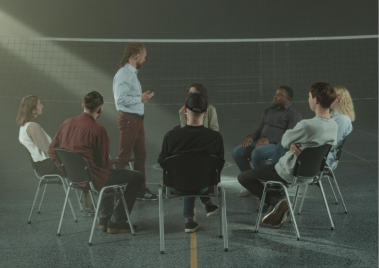
Individual therapy addresses a patient's personal history one-on-one. But a meaningful amount of the work that happens during inpatient treatment takes place in a room full of other people going through the same thing. You know, that part does not get talked about enough.
Peer support is not just a supplement to clinical care in addiction treatment. It is built into the structure of how recovery skills get practiced. And it does something that one-on-one sessions, on their own, kind of cannot fully accomplish on their own. As a reliable rehab center serving the Brooklyn area, Urban Recovery builds peer support into treatment because the research, and honestly, the patient outcomes back it up.
Why Addiction Recovery Leans on Group Settings
Addiction doesn't develop in isolation, and for most people, it doesn't heal in isolation either. A lot of the behaviors substance use disorder involves, secrecy, withdrawal from relationships, and difficulty being honest about what's actually going on get reinforced by isolation and disrupted by connection.
Practicing new coping skills, managing cravings, and being honest about a hard day, these are all things that work differently when there's a room of peers who actually get it. Not just a clinician taking notes. Someone who has been in that exact place, maybe even last week.
At Urban Recovery, we factor this into our approach to the different levels of addiction treatment we offer. Because the right level of care isn't just about clinical severity. It's also about making sure someone has the kind of support around them that helps the work actually land.
What Process Groups Actually Provide
Process groups give patients a structured space to share their experiences and receive meaningful feedback from others with similar backgrounds. Two key reasons this format works:
- Feedback from peers with lived experience carries a different weight than reassurance from someone without it.
- A peer who has gone through withdrawal, cravings, or a relapse understands the specifics in a way that is hard to fake, and that understanding tends to cut through defensiveness faster than a clinical explanation alone.
Skills Groups Build Competencies That Get Tested in Real Time
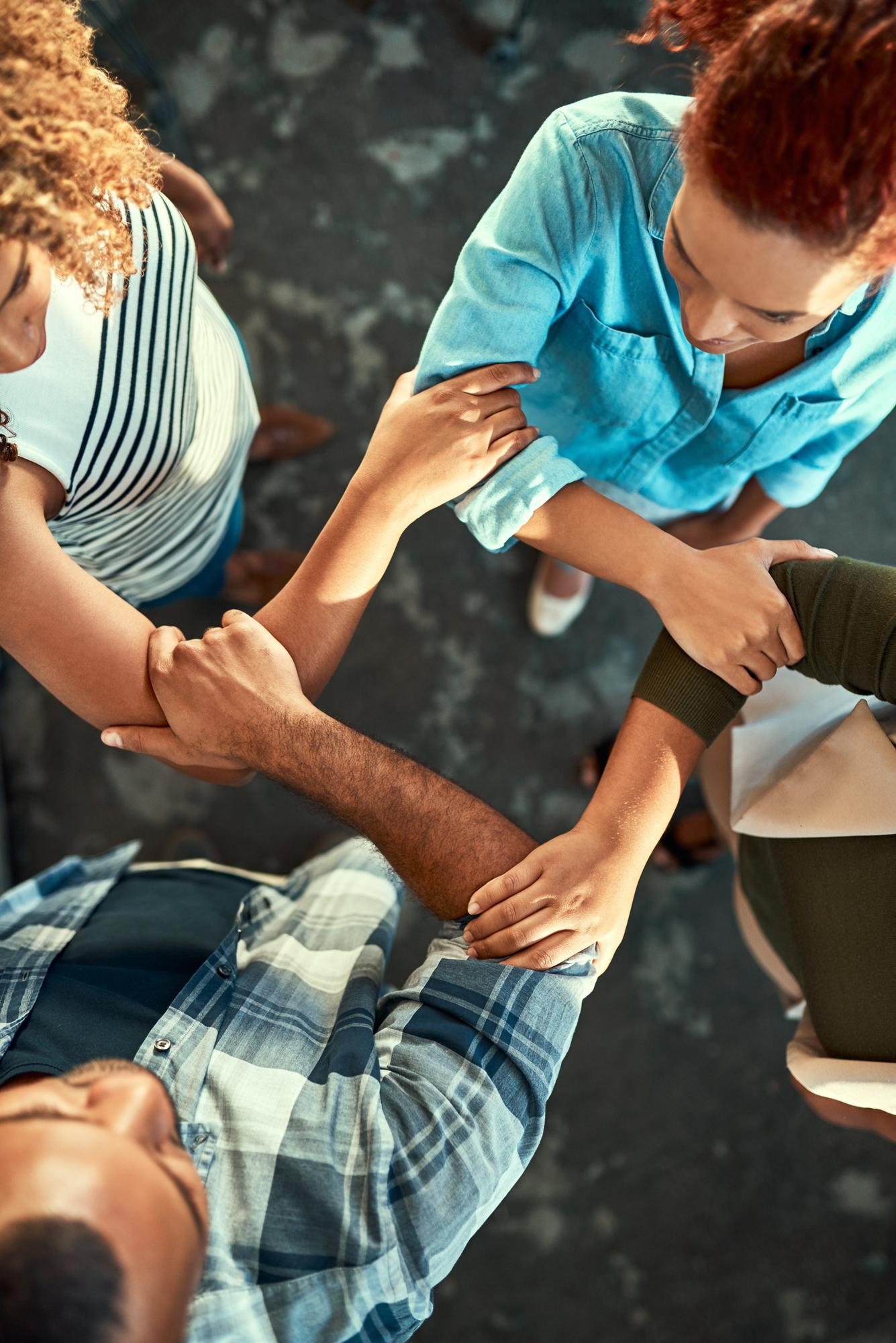
Beyond sharing experiences, skills groups focus on practical tools, managing cravings, handling stress without using, communicating needs clearly, and rebuilding damaged relationships.
These aren't abstract concepts introduced once and left behind. They get practiced in the moment, inside a group of peers, where a patient can try a new way of communicating or handling frustration and get immediate feedback, rather than waiting to test it out for the first time after discharge.
Psychoeducation Groups Fill In What Patients Often Don't Know
A surprising amount of what happens in early recovery is simply not understanding what's happening. Psychoeducation groups explain addiction as a condition affecting the brain, walk through how withdrawal works, and help patients recognize their own relapse triggers before they're in the middle of one.
Having language for what's happening, alongside a group of people learning the same thing at the same time, tends to reduce the shame that keeps a lot of people from asking questions in the first place.
How Peer Support Fits Alongside Individual Therapy, Not Instead of It
None of this replaces one-on-one clinical work. Individual therapy is where the personal history, trauma, and specific patterns behind someone's substance use get explored in depth, work that requires privacy and a dedicated therapeutic relationship. Peer support and individual therapy serve different functions, and residential programs are structured to deliver both, rather than treating one as a lesser version of the other.
Our residential program builds structured group work into the 35 hours of weekly therapy every patient receives, alongside individual sessions tailored to their specific history. Questions about what a typical day of programming looks like can be answered directly by calling (646) 347-1892.
Related Topics: