Treatment doesn't end a person's relationship with recovery; it starts a new phase of it. One piece of that ongoing phase that doesn't get talked about enough is the value of staying connected to other people who went through treatment around the same time, or who understand what early recovery actually feels like from the inside. This is the idea behind alumni programs and alumni-style peer communities in addiction treatment.
Patients at an accredited Brooklyn drug rehab live and work together in one residential program for weeks at a time, which is where many of those relationships begin. Here is what alumni programs typically offer, why staying connected to a peer community matters clinically and not just socially, and how that ongoing connection fits alongside the other pieces of a solid aftercare plan.
What Alumni Programs Typically Involve
Alumni programs in addiction treatment generally center around former patients staying connected to each other and, in some cases, to the treatment center itself after discharge. This can look like regular meetups, online groups, sober social events, or simply an ongoing point of contact where former patients can check in, celebrate milestones, or reach out if they're struggling.
The core value isn't the specific format; it's the sense of continued belonging to a community that understands recovery from lived experience rather than from a textbook. For a lot of patients, the relationships built during residential treatment, with people who were going through an inpatient drug detox program and early recovery at the same time, become some of the most important relationships in their support network going forward.
Why Peer Connection Matters So Much in Early Recovery
Isolation is one of the biggest risk factors for relapse. Addiction often thrives in secrecy, and recovery tends to require the opposite: connection, accountability, and people who notice when something is off. Alumni-style peer support fills a specific gap that professional treatment alone doesn't always cover: the day-to-day, informal check-ins with someone who has actually been where you are.
This is different from a support group like 12-Step meetings, which follow a specific structure and often include people at very different points in their recovery. An alumni community built around people who went through treatment together tends to create a different kind of closeness, one rooted in a specific shared chapter of each person's life rather than a general shared identity as someone in recovery, and the clinical case for peer support in recovery programs applies here just as strongly.
How This Connects to Support Group Referrals During Discharge Planning
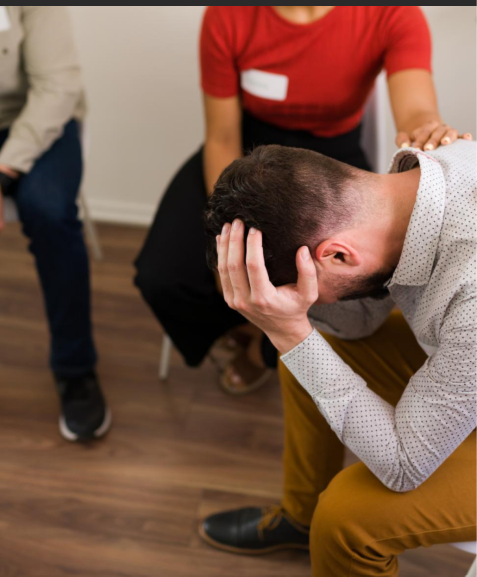
Discharge planning at a residential treatment program typically includes connecting patients to ongoing peer support, whether that's 12-Step meetings, SMART Recovery, or another structure, before they ever leave the facility. Alumni-style connection works alongside these referrals rather than replacing them, giving patients another layer of community specific to the people they actually went through treatment with.
For patients without strong existing family or social support, this kind of connection can matter even more, which mirrors what the research on family involvement and treatment retention shows about the value of people who stay engaged. Someone who doesn't have a stable home environment to return to, or whose previous social circle was closely tied to their substance use, benefits significantly from having a new community built around sobriety rather than starting entirely from scratch after discharge.
Wondering how you’ll stay connected once treatment ends? Call Urban Recovery at (646) 347-1892. Our case management team will explain how support group referrals, peer connection, and step-down care get arranged during your stay, and verify your insurance at no cost. Nothing about the call commits you to admission.
What to Look for If Ongoing Community Matters to You
If staying connected to other people from your treatment experience is something you value, it's worth asking any facility you're considering what that actually looks like in practice. Does the facility set up any kind of ongoing contact between former patients, or is it left entirely to individual patients to exchange contact information informally before discharge? Is there a specific point person or coordinator involved, or does the connection depend entirely on patients organizing something themselves after they've already left?
It's also worth thinking about what kind of peer connection actually fits your personality and circumstances. Some people want frequent, structured contact with a defined group, something closer to a standing meetup or a regular check-in schedule. Others prefer a looser, occasional touchpoint with a handful of specific people they connected with during treatment, reaching out only when something comes up rather than on any fixed schedule. Neither approach is wrong, but it's worth being honest with yourself about which one you're actually likely to follow through on once daily life picks back up.
A lot of people underestimate how much effort ongoing connection takes once they're back to work, family responsibilities, and the general pace of life outside a residential program. Whatever structure you choose, building in some form of regular contact, even something as simple as a recurring phone call or a standing coffee with one or two people from treatment, tends to work better than a vague intention to "stay in touch" that never gets scheduled.
Community as Part of a Larger Recovery Structure
Alumni-style peer connection works best as one piece of a broader recovery structure, not as a substitute for clinical care, medication continuation for patients on MAT, or structured outpatient treatment. It's a support layer that reinforces everything else rather than replacing any of it.
The strongest long-term recovery outcomes tend to come from patients who build a full structure around themselves after treatment: continued therapy or outpatient care where clinically indicated, medication continuation if applicable, a support group, and a peer community that understands what the entire process actually involved. Staying connected to people who went through treatment isn't a small or sentimental detail; it's a genuine piece of what makes long-term recovery more sustainable for a lot of people.
This is worth remembering in the harder stretches of early recovery too, the weeks where motivation dips or an old craving resurfaces without warning. Having even one or two people who understand exactly what that feels like, because they lived through the same detox unit and the same group sessions, can be the difference between reaching out for help and quietly struggling alone.
That kind of structure gets built during treatment, not after it. Our team in Red Hook, Brooklyn, can explain how peer connection, support group referrals, and step-down care are arranged during a residential stay. Call (646) 347-1892 to talk it through with admissions.
Related Topics:
- Common Reasons Patients Leave Treatment Early in Brooklyn
- What Is the Success Rate of Treatment Centers in Brooklyn?