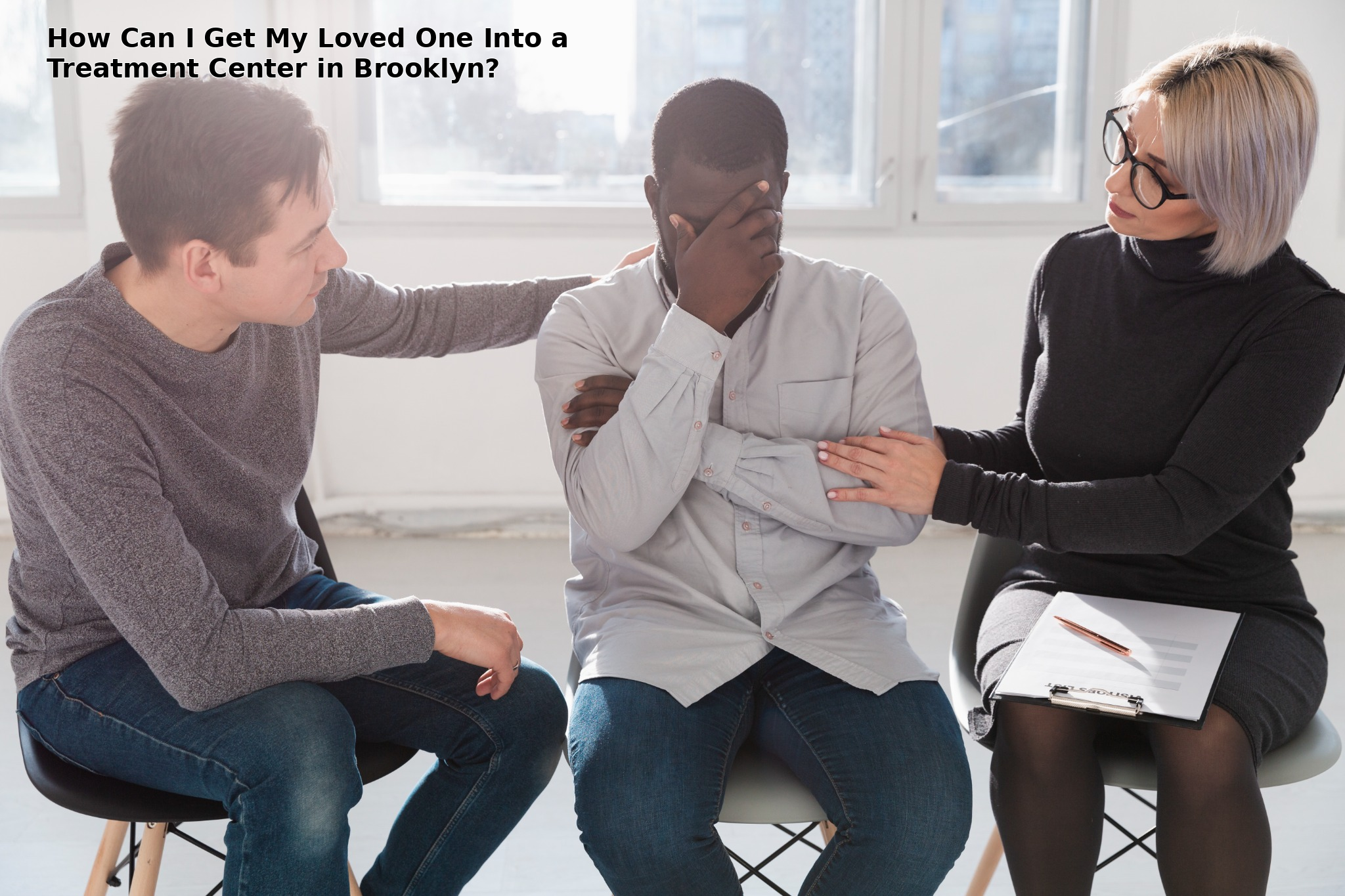
Watching someone you love struggle with addiction can leave you feeling scared, frustrated, and unsure where to begin. You may not know what to say, who to call, or whether your loved one will even agree to treatment. The good news is that getting someone connected to care is often more straightforward than families expect.
A reputable recovery center in Brooklyn can walk you through the first call, what information is needed, and what happens if your loved one is ready to come in. You do not have to have every answer before reaching out. This guide explains the steps, from making that first call to what usually happens when your loved one arrives.
What You Are Dealing With
Addiction is a medical condition. People who are physically dependent on alcohol, opioids, or benzodiazepines cannot simply stop using without medical help. Withdrawal from these substances can trigger seizures, serious cardiovascular events, and other dangerous complications. Home detox is not a safe option for most people in active dependence.
Medically supervised inpatient detox exists for exactly this reason. A licensed treatment facility monitors patients continuously, manages withdrawal symptoms with medication, and ensures a safe transition through the acute phase of withdrawal before the rehabilitation work begins. Understanding this helps when explaining to your loved one why professional care is not optional - it is a safety issue.
Making the First Call
The most meaningful step is picking up the phone. At Urban Recovery, our admissions line is open 24 hours a day. You do not need every detail sorted before you call. Our team is trained to walk families through exactly this kind of situation.
During that first call, you will typically be asked what substance or substances are involved, how long the use has been going on, whether your loved one is currently in withdrawal, and what insurance coverage they have.
You do not need to have all those answers ready. What matters is making the call. Our admissions staff will guide you through everything else and verify insurance before your loved one arrives - at no charge.
What the Admissions Process Looks Like
Once the first call is complete, the process moves quickly. Our team confirms coverage, answers questions about what to bring and what to expect, and schedules admission. Same-day admissions are available when your loved one is medically appropriate and ready to come in.
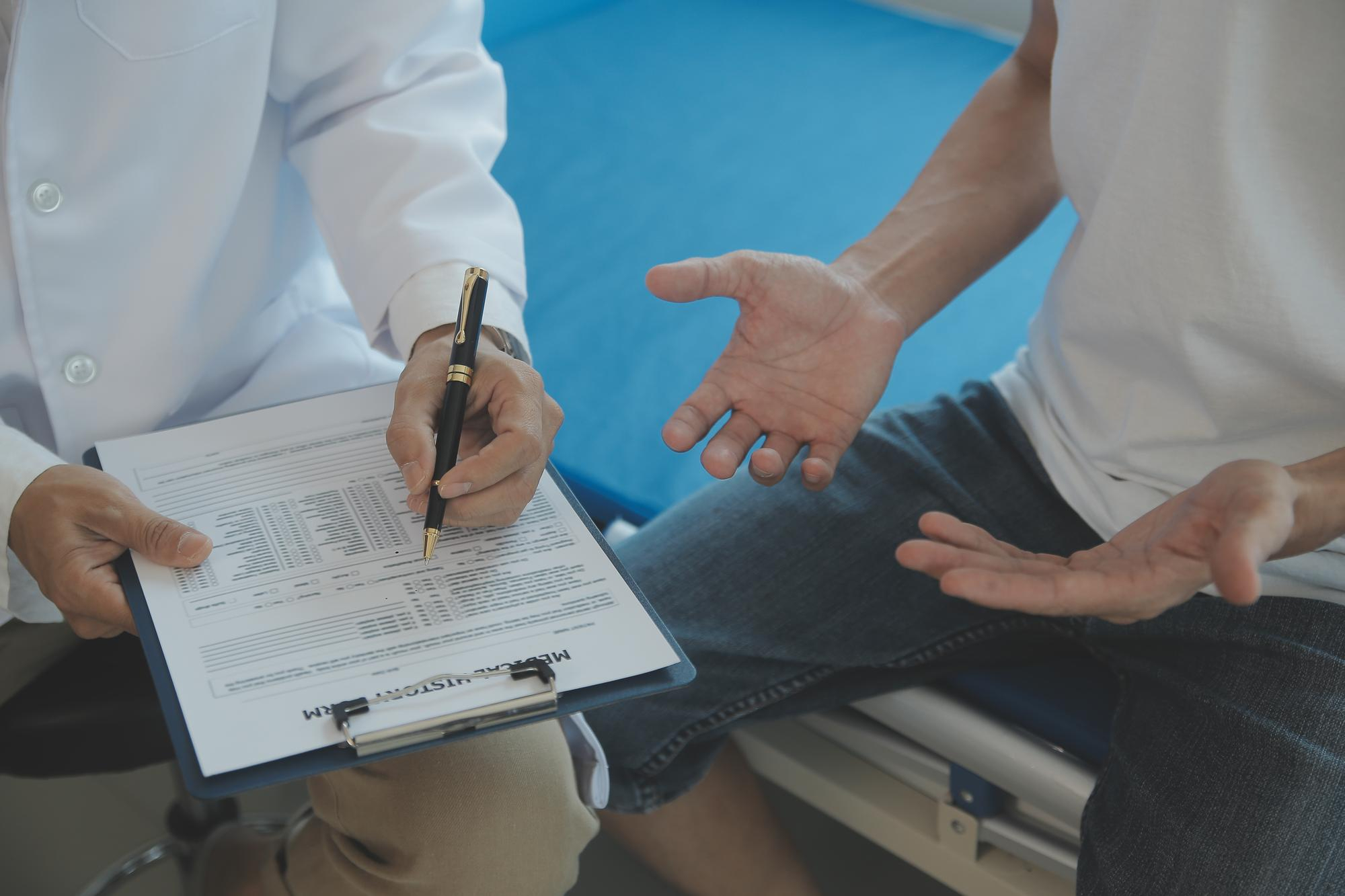
On arrival, a licensed clinician conducts a full intake assessment covering substance use history, current physical health, prior treatment attempts, and mental health history. That assessment drives everything that follows: the detox protocol, the medication plan, the therapeutic approach, and the discharge plan. Families are often surprised by how organized and calm the process is. Our admissions team has guided many families through this exact situation, and their job is to make entry into treatment as clear and manageable as possible for everyone involved. You can learn more about what to expect on our admissions overview page.
What to Do When Your Loved One Refuses Help
This is the question most families are really asking. What do you do when the person who needs help will not go?
There is no single answer, but there are paths that have worked for families in this situation. Waiting for a crisis moment is the most common. An overdose, a hospitalization, a DUI arrest, or a family ultimatum often becomes the turning point. Having our number saved and understanding the process means you can act immediately when that window opens.
A formal intervention is another approach. A professional interventionist facilitates a structured conversation where family members speak to their loved one collectively, without confrontation or shame, with a clear and unified offer of help. For loved ones under a court order requiring documented inpatient treatment, our admissions team handles all the clinical documentation required for legal compliance. Our team is also available to speak directly with families who are trying to figure out how to start the conversation with their loved one.
Insurance and Cost
Cost and coverage are the first concerns most families raise. We accept most major insurance plans, including Medicaid, Aetna, Cigna, Blue Cross Blue Shield, UnitedHealthcare, and Anthem, among others. Our admissions team verifies coverage before your loved one arrives, so there are no billing surprises on the day of admission.
If you are unsure whether your plan covers inpatient treatment, call us, and we will find out together. All treatment is fully confidential under HIPAA. Your loved one's insurance claims and patient records will never be disclosed to an employer or any uninvolved third party without written consent.
What to Tell Your Loved One Before They Arrive
If your loved one has agreed to come in, a few things can help ease their anxiety. The medical team manages withdrawal symptoms with medication - patients do not go through detox alone. The clinical team meets patients where they are, without judgment. Everything is fully confidential. And discharge planning starts on day one, so the program has a defined structure and a clear endpoint.
Frequently Asked Questions
Q: Can a family member call on behalf of someone who has not agreed to enter treatment? A: Yes. Many families call our admissions line before their loved one has made any decision. Our team walks you through the process, explains what to expect, and helps you prepare for the conversation you need to have.
Q: What if my loved one is in active withdrawal right now? A: Active withdrawal from alcohol or benzodiazepines is a medical emergency. Contact our admissions team immediately. Same-day admissions are available, and our team can advise on safe transport to the facility.
Q: Does insurance cover inpatient addiction treatment? A: Most major insurance plans cover inpatient addiction treatment, including Medicaid. Our admissions team verifies coverage before arrival at no charge. Call us, and we will check your specific plan together.
Q: How do I know if my loved one needs inpatient treatment or outpatient? A: Inpatient treatment is appropriate when someone is physically dependent on alcohol, opioids, or benzodiazepines, has previously tried outpatient care and relapsed, or does not have a stable and supportive home environment. Our admissions team assesses each situation individually and will give you an honest recommendation about the right level of care.
Q: Is addiction treatment confidential? A: Yes. All treatment is fully confidential under HIPAA. Patient records, status, and treatment details are never shared with employers, uninvolved family members, or any third party without the patient's written consent.
Contact Us
At Urban Recovery, we are committed to supporting individuals on their recovery journeys. Whether you're seeking information about our programs or ready to begin the admissions process, our team is here to assist you.
Facility Address: 411 Van Brunt Street, Brooklyn, NY 11231
Phone Numbers:
- Intake Line: (646) 347-1892
- Facility Line: (646) 960-6656
Email: admissions@urbanrecovery.com
Hours of Operation: Sunday - Monday: 24 hours
For general inquiries or to request more information, please use our online contact form.
Related Topics: