.png)
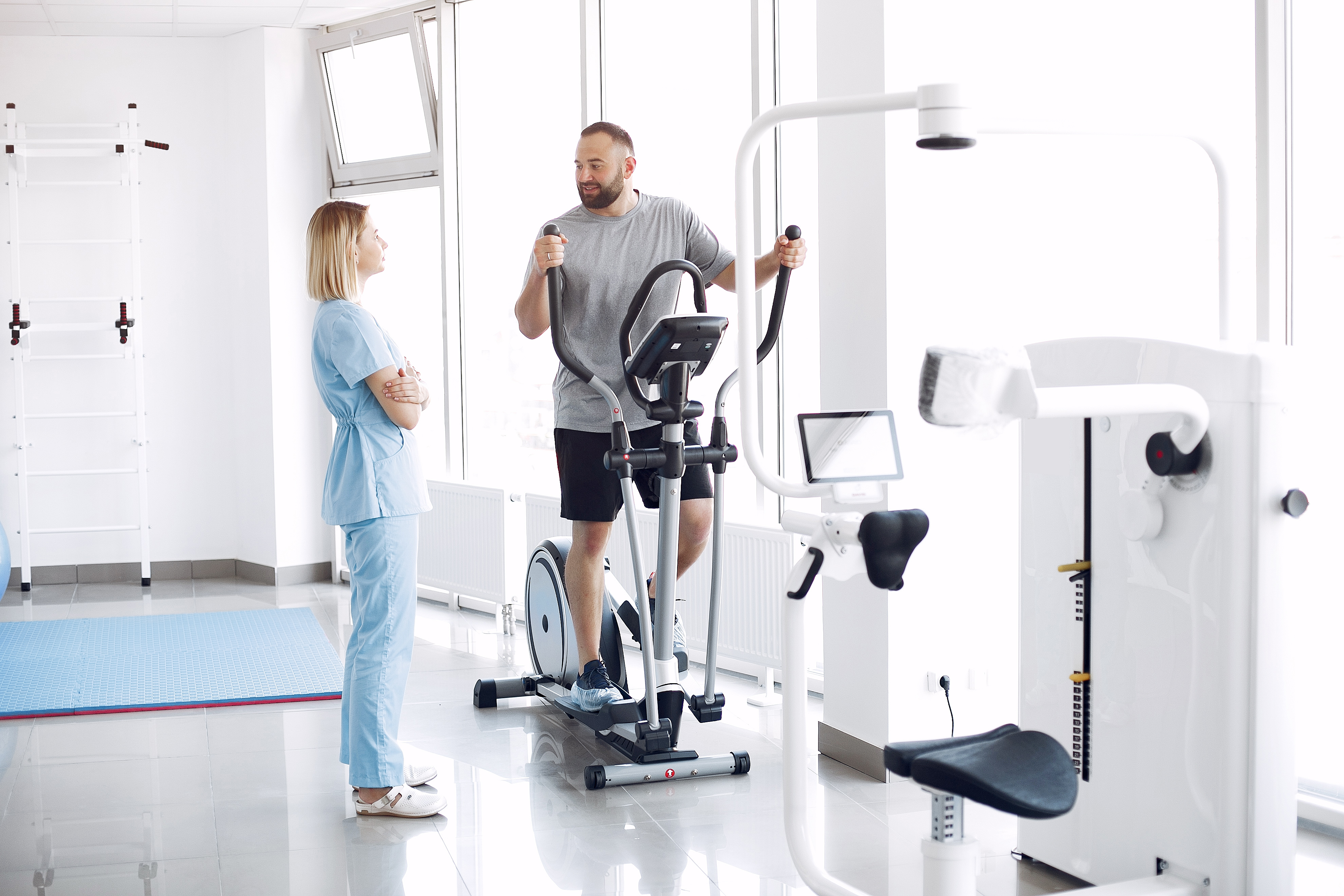
An inpatient rehabilitation facility is a healthcare center where a patient receives structured medical care and intensive therapy after a serious illness, injury, or surgery. A comprehensive inpatient rehab program provides coordinated treatment delivered by physicians, nurses, physical therapists, occupational therapists, speech-language pathologists, and social workers. These teams work together to restore mobility, improve daily living skills, support communication needs, and stabilize medical conditions. Many providers show measurable patient progress through verified outcomes and reviews on platforms such as Google Reviews and Trustpilot, where families describe improvements in strength, confidence, and daily function.
Definition of an Inpatient Rehabilitation Facility
An inpatient rehabilitation facility provides focused therapy and medical oversight to individuals who need structured recovery support. Patients typically participate in multiple therapy sessions each day, guided by clinicians who assess mobility, cognition, communication, pain levels, and overall function. Treatment is tailored to the individual’s condition, ensuring that therapy intensity and medical monitoring match their needs. These facilities often receive strong public feedback for consistent communication, safety standards, and evidence-based treatment practices.
Types of Patients Served
Inpatient rehabilitation facilities support individuals recovering from a range of medical conditions, including:
- Stroke Recovery
Programs help patients regain movement, balance, speech, and cognitive abilities through targeted therapy sessions supported by clinical outcome tracking. - Spinal Cord Injury Rehabilitation
Therapy focuses on improving posture, strength, coordination, and safe daily functioning to support independence at home and in the community. - Post-Orthopedic Surgery Rehabilitation
Patients recovering from joint replacements, fractures, or complex orthopedic procedures receive therapy to restore range of motion, reduce pain, and regain daily mobility.
Comprehensive Services Provided
Rehabilitation facilities offer coordinated services designed to help patients regain functional abilities. Core services typically include physical therapy to rebuild strength and movement, occupational therapy to support daily living tasks, and speech therapy to address communication or swallowing challenges. Cognitive therapy may be added for memory or problem-solving limitations. Emotional support through counseling helps patients adjust during recovery. Modern facilities frequently integrate advanced tools such as electrical stimulation, hydrotherapy, or virtual-reality-based therapeutic exercises. These services are delivered within a customized plan created by licensed clinicians who monitor progress throughout the stay.
Multidisciplinary Care Team
Care is delivered by a coordinated team of professionals who evaluate patient needs from different clinical perspectives. Key members include:
- Physiatrists who oversee the medical aspects of rehabilitation.
- Physical therapists who support mobility, strength, and balance.
- Occupational therapists who help patients relearn daily tasks such as dressing, grooming, and preparing meals.
The team structure ensures that medical care, therapy, and emotional support work together toward measurable improvements.
Treatment Plans and Goals
Each patient receives an individualized treatment plan that focuses on restoring key functional abilities. These plans combine therapies such as mobility training, dexterity exercises, speech and language support, and medical management. Clinicians and patients set achievable goals together, reviewing progress regularly and adjusting the plan when necessary. This structured approach helps patients reach higher levels of independence safely and efficiently.
Length of Stay and Discharge Process
The length of stay in an inpatient rehabilitation facility depends on the patient’s medical condition, therapy tolerance, and progress toward goals. The process begins with a detailed assessment to determine the level of support required. Throughout the stay, clinicians review progress and modify therapy intensity when needed. Before discharge, the team prepares a plan that may include home-based exercises, outpatient therapy, follow-up appointments, and recommendations for any equipment or mobility aids. Families often report that clear discharge planning helps ensure a smoother transition back home.
Contact Us
At Urban Recovery, we are committed to supporting individuals on their journey to recovery. Whether you're seeking information about our programs or ready to begin the admissions process, our team is here to assist you.
📍 Facility Address: 411 Van Brunt Street Brooklyn, NY 11231
📞 Phone Numbers:
- Intake Line: (646) 347-1892
- Facility Line: (646) 960-6656
📧 Email: admissions@urbanrecovery.com
📠 Fax: (646) 960-9976
🕒 Hours of Operation:
Monday - Sunday: 24hours
💬 Online Contact Form:
For general inquiries or to request more information, please use our online contact form.
Related Topics:
- What Inpatient Rehab Physical Therapy Involves and Who It Helps
- What New Patients Can Anticipate in Inpatient Rehab
.png)
.png)


.png)
.png)
.png)
.png)